Shockwave Therapy for Muscle Pain & Trigger Points | Foot & Ankle Centre
Discover how shockwave therapy can help relieve myofascial trigger points, muscle knots and persistent muscle pain. Learn how this non-invasive treatment works, its key benefits, and how it can support recovery and improve movement.
How Shockwave Therapy Can Help Myofascial Trigger Points and Muscle Pain
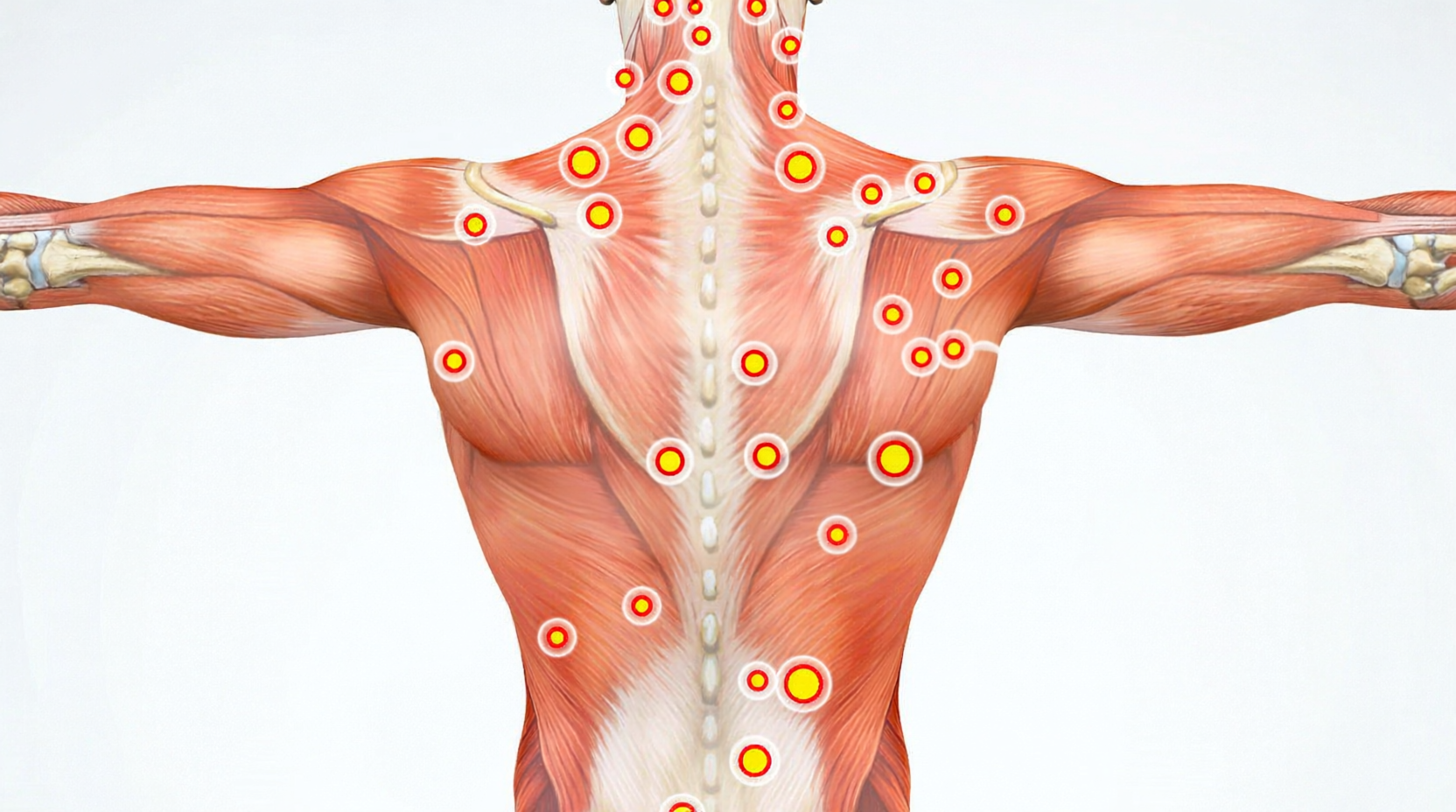
Persistent muscle knots, tightness and trigger points can make everyday movement uncomfortable. They may restrict mobility, cause localised pain and sometimes produce pain that is felt somewhere else in the body.
Massage, stretching and rest can provide relief, but for some people the pain and tightness repeatedly return.
Shockwave therapy is a non-invasive treatment that can be used for persistent myofascial trigger points and muscle pain. It uses controlled acoustic waves applied to targeted areas of muscle and soft tissue and may be incorporated into a wider rehabilitation programme.
At the Foot & Ankle Centre, we offer shockwave therapy in Chingford, Wanstead and Westcliff-on-Sea, helping patients manage a range of persistent musculoskeletal problems.
What Are Myofascial Trigger Points?
Myofascial trigger points are sensitive areas that develop within tight bands of muscle. They are commonly referred to as muscle knots.
When pressure is applied to a trigger point, it can cause tenderness directly over the affected muscle. In some cases, it can also produce referred pain, where discomfort is experienced away from the actual trigger point.
Trigger points may be associated with:
- Muscle pain and tenderness
- Persistent muscle tightness
- Reduced flexibility
- Restricted movement
- Muscle stiffness
- Pain during exercise
- Referred pain
- Discomfort during everyday activities
For example, tight and painful trigger points within the calf muscles may affect how comfortably you walk or exercise and can contribute to persistent lower-limb discomfort.
What Causes Muscle Knots and Trigger Points?
There isn't always one single cause.
Trigger points can develop when muscles are repeatedly overloaded, strained or held under tension for extended periods.
Possible contributing factors include:
- Repetitive movements
- Muscle overuse
- Sports and exercise
- Previous injuries
- Poor movement patterns
- Prolonged sitting or standing
- Muscle weakness
- Sudden increases in physical activity
- Inadequate recovery
- Persistent muscular tension
For active patients, trigger points may develop after repeatedly loading the same muscles during running, gym training or sport.
They can also occur in less active individuals when particular muscle groups remain under prolonged or repetitive strain.
Why Do Myofascial Trigger Points Keep Coming Back?
Stretching or massage can sometimes make a tight muscle feel considerably better. However, some patients find that their symptoms gradually return.
This may happen when the factors contributing to the muscle problem have not been addressed.
For example, a persistent calf trigger point may be influenced by the way you walk or run, weakness elsewhere in the lower limb, restricted ankle movement or excessive loading during exercise.
This is why treating persistent muscle pain isn't necessarily just about temporarily relaxing the muscle.
A thorough assessment can help identify why the muscle is repeatedly becoming overloaded.
How Does Shockwave Therapy Work for Myofascial Trigger Points?
Extracorporeal Shockwave Therapy (ESWT) uses controlled acoustic pressure waves that are delivered through the skin into a targeted area of muscle or soft tissue.
Despite its name, shockwave therapy doesn't involve giving the patient an electrical shock.
A handheld applicator is positioned over the affected muscle and delivers repeated acoustic pulses into the tissue.
Research into ESWT for myofascial pain suggests it may help reduce pain and improve pressure-pain thresholds in some patients, although results vary and shockwave should be considered as part of an appropriate treatment programme rather than a guaranteed cure.
1. May Help Reduce Muscle Pain
One of the main reasons shockwave therapy is used for myofascial pain syndrome is pain reduction.
Research has found improvements in pain following ESWT treatment in some patients with myofascial pain.
Reducing pain can make it easier to move the affected area and progress with rehabilitation.
2. Targets Tight and Sensitive Areas of Muscle
Shockwave therapy can be applied directly over identified trigger points and tight bands of muscle.
The mechanical acoustic pulses stimulate the targeted tissue, making ESWT particularly useful when treatment needs to be concentrated on a persistent, localised area of muscular pain.
3. May Improve Local Circulation
Shockwave treatment is thought to influence local tissue responses and circulation.
Improved blood perfusion may help support oxygen and nutrient delivery within the affected tissue as part of the body's recovery processes.
4. May Reduce Pain Sensitivity
Persistent trigger points can become extremely sensitive to pressure.
Research into shockwave therapy for myofascial pain has found improvements in pressure-pain thresholds, meaning the affected area may become less sensitive following treatment.
5. Can Support Rehabilitation
Shockwave therapy does not necessarily replace exercise or rehabilitation.
Instead, reducing pain and muscular sensitivity may make it easier for some patients to progress with stretching, strengthening, mobility exercises and physiotherapy.
The underlying cause of the muscle problem can then be addressed alongside the painful trigger point itself.
What Are the Benefits of Shockwave Therapy for Muscle Pain?
There are several reasons patients with persistent muscle knots and myofascial pain may consider shockwave therapy.
Non-Invasive
Shockwave therapy is delivered externally through the skin, with no injections or surgical incisions required.
Drug-Free
The treatment uses acoustic waves rather than medication to target the affected area.
Targets Specific Trigger Points
The applicator can be directed towards the particular areas of muscular tenderness identified during your assessment.
Minimal Downtime
Patients can normally continue with many of their everyday activities following treatment, although your clinician may recommend temporarily modifying certain activities depending on your condition.
Can Be Combined With Other Treatments
Depending on your individual problem, shockwave therapy may form part of a wider treatment programme involving:
- Physiotherapy
- Myofascial release
- Trigger point therapy
- Dry needling
- Strengthening exercises
- Stretching and mobility work
- Gait analysis
- Biomechanical assessment
- Orthotics
Combining treatments allows us to address both the painful area and factors that may be contributing to the problem.
What Areas Can Be Treated With Shockwave Therapy?
Shockwave therapy may be considered for persistent muscle and myofascial problems affecting different areas of the body.
At the Foot & Ankle Centre, this can be particularly useful when treating lower-limb muscle pain and trigger points, including problems affecting the:
- Calf muscles
- Hamstrings
- Gluteal muscles
- Thigh muscles
- Muscles surrounding the ankle
- Muscles affecting foot and ankle movement
Shockwave therapy is also widely used within musculoskeletal treatment for conditions such as plantar fasciitis and Achilles tendinopathy.
Shockwave Therapy for Calf Muscle Pain and Tightness
Persistent calf tightness is particularly common in runners, athletes and patients who spend long periods standing or walking.
The calf muscles play an important role in controlling the ankle and generating force when walking and running.
When these muscles become persistently tight or develop painful trigger points, patients may experience:
- Calf pain
- Tight calves
- Pain when running
- Reduced ankle mobility
- Tender muscle knots
- Pain when walking
- Recurrent lower-leg discomfort
Shockwave therapy can be directed towards painful areas within the calf as part of a treatment programme.
However, it is also important to understand why the calf is becoming overloaded.
This may require assessment of your ankle movement, muscle strength, footwear, walking pattern or running biomechanics.
What Happens During Shockwave Therapy?
Before treatment, your clinician will assess the painful area and identify the tissues that appear to be contributing to your symptoms.
A gel is normally applied to the skin before a handheld shockwave applicator is positioned over the treatment area.
Controlled acoustic pulses are then delivered into the targeted tissue.
You will usually feel a repetitive tapping or pulsing sensation.
Sensitive trigger points can feel uncomfortable during treatment, but the intensity can be adjusted according to your tolerance and clinical requirements.
Some patients experience temporary tenderness or soreness afterwards.
How Many Shockwave Therapy Sessions Will I Need?
There isn't one treatment programme that is appropriate for every patient.
The number and frequency of sessions will depend on factors such as:
- Your diagnosis
- How long you have experienced symptoms
- The area being treated
- The severity of your symptoms
- Your activity levels
- Your response to treatment
Your clinician will recommend an appropriate treatment plan following assessment.
Is Shockwave Therapy Better Than Massage for Muscle Knots?
They are different treatments and one isn't automatically better than the other.
Massage and myofascial release can be useful for reducing muscular tension and improving movement.
Shockwave therapy provides another way of targeting persistent areas of muscular pain using acoustic energy.
For some patients, combining treatment techniques with an appropriate rehabilitation programme may be more useful than relying on one treatment alone.
Who May Benefit From Shockwave Therapy?
Shockwave therapy may be worth considering if you experience persistent muscle pain or trigger points that have not responded adequately to rest, stretching or other conservative treatments.
It may be considered for people experiencing:
- Persistent muscle knots
- Chronic muscle tightness
- Myofascial trigger points
- Calf muscle pain
- Sports-related muscle pain
- Persistent muscular tenderness
- Restricted movement associated with muscular tightness
- Recurring muscular discomfort
However, muscular pain can have many different causes.
An assessment is important to determine whether your symptoms are genuinely muscular and whether shockwave therapy is appropriate for you.
Shockwave Therapy in Chingford, Wanstead & Westcliff-on-Sea
If you are looking for shockwave therapy near you, the Foot & Ankle Centre provides assessment and treatment from our clinics in Chingford, Wanstead and Westcliff-on-Sea.
We treat patients with a variety of musculoskeletal problems, including muscle pain, myofascial trigger points, plantar fasciitis, heel pain, Achilles tendon problems and sports injuries.
Our approach is not simply to identify where it hurts. We aim to establish what may be contributing to the problem and create an appropriate treatment and rehabilitation plan.
Depending on your condition, this may combine shockwave therapy with physiotherapy, myofascial release, trigger point therapy, dry needling, strengthening or biomechanical assessment.
Book Shockwave Therapy at the Foot & Ankle Centre
If persistent muscle knots, calf tightness, trigger points or muscle pain are affecting your walking, exercise or everyday activities, an assessment can help identify the cause.
Book an appointment with the Foot & Ankle Centre to find out whether shockwave therapy for myofascial trigger points and muscle pain could be suitable for you.
Foot & Ankle Centre
📍 Chingford, London 📍 Wanstead, London 📍 Westcliff-on-Sea, Essex
Visit footandanklecentre.co.uk to book an appointment.