Cupping Therapy Benefits: How It Can Help With Pain, Muscle Tension and Foot & Ankle Conditions
Learn how cupping therapy may help relieve muscle tension, reduce pain and support recovery, including targeted treatment for foot and ankle issues.
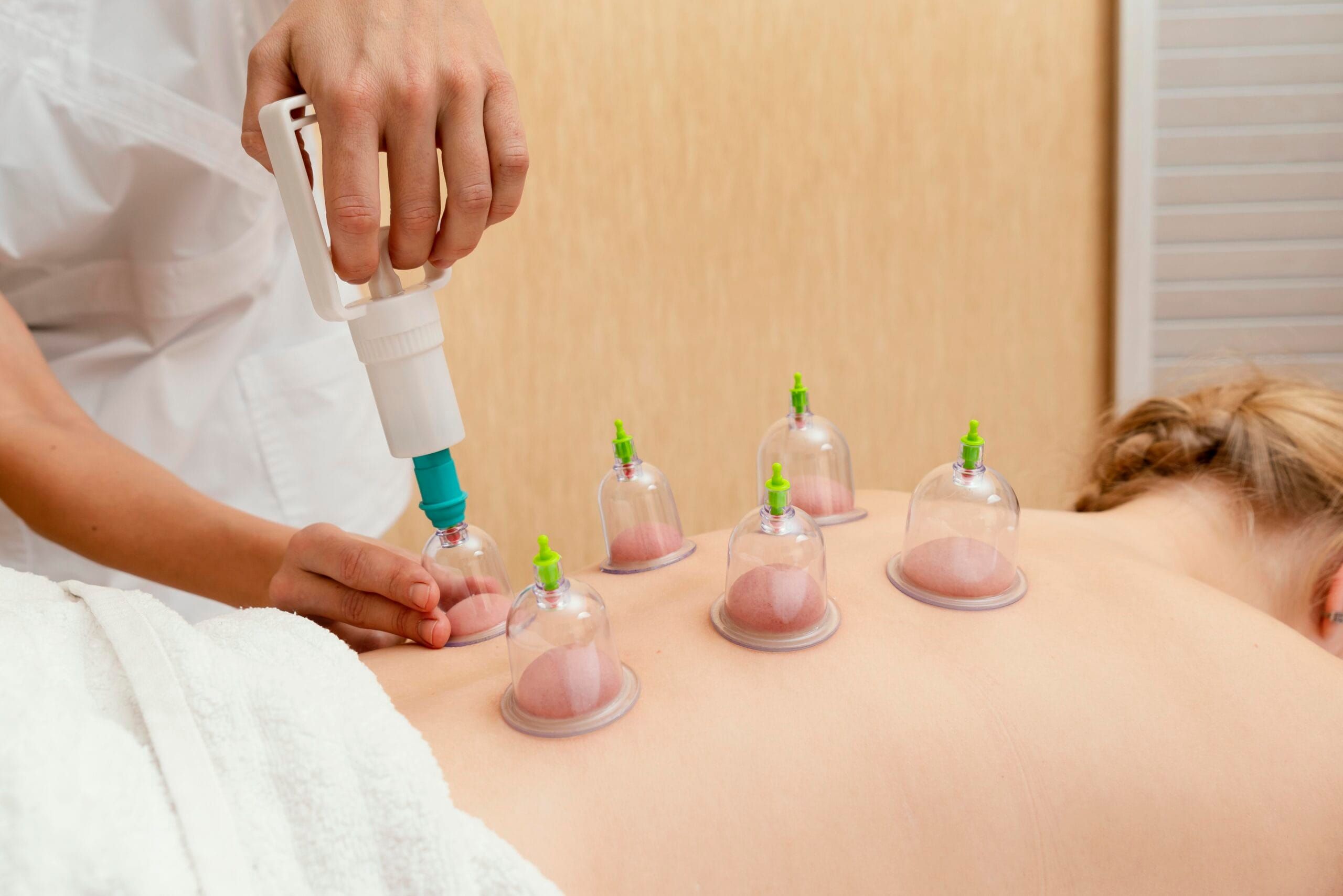
Cupping therapy is a popular complementary treatment used to help reduce muscle tension, relieve pain and support recovery. It involves placing specialised cups on the skin to create gentle suction, which may help increase local circulation and relax tight muscles.
At Foot and Ankle Centre Chingford, we provide personalised cupping therapy sessions designed around your symptoms, lifestyle and treatment goals. Cupping can be used as part of a wider treatment plan to support recovery from a range of muscle, joint and soft-tissue problems.
What Is Cupping Therapy?
Cupping therapy uses cups placed on specific areas of the body to create suction against the skin. Depending on the type of treatment, the cups may remain in one position or be gently moved across the treatment area.
The suction may help increase blood flow to the area, reduce feelings of muscle tightness and encourage relaxation. Your therapist will assess your symptoms and determine whether cupping is appropriate for you.
Cupping is generally used as a complementary treatment rather than a standalone cure. It may be combined with other physiotherapy or rehabilitation techniques for a more personalised approach.
What Are the Benefits of Cupping Therapy?
Cupping therapy may provide several potential benefits, including:
- Relieving muscle tension: Cupping may help relax tight or overworked muscles.
- Reducing muscle soreness: It can be used to support recovery following exercise or physical activity.
- Supporting circulation: The suction created by the cups may increase local blood flow.
- Helping with pain: Cupping may help reduce discomfort associated with certain muscular and soft-tissue conditions.
- Improving mobility: By addressing areas of muscle tightness, cupping may help support improved movement.
- Supporting recovery: It can form part of a wider rehabilitation programme for people recovering from injuries or physical strain.
Results can vary between individuals, and your therapist will recommend the most appropriate treatment based on your condition.
What Conditions Can Cupping Help With?
Cupping therapy may be considered for a variety of muscular and soft-tissue complaints. Depending on your individual circumstances, it may be used alongside other treatments for:
Neck and Shoulder Tension
Long periods of sitting, desk work, exercise and poor posture can contribute to tightness around the neck and shoulders. Cupping may help relax tense muscles and reduce discomfort.
Back Pain and Muscle Tightness
Cupping can be incorporated into treatment for certain types of muscular back pain. By targeting areas of tension, it may help promote relaxation and make movement more comfortable.
Sports-Related Muscle Soreness
Athletes and active individuals may experience muscle tightness or soreness following training. Cupping may be used as part of a recovery programme to help manage muscular discomfort and support mobility.
Leg Muscle Tension
Tight or overworked muscles in the thighs, calves and other areas of the legs may benefit from techniques designed to promote relaxation and improve soft-tissue mobility.
General Muscle Stiffness
If you experience muscular stiffness or areas of persistent tension, your therapist can assess the affected area and determine whether cupping could form part of your treatment plan.
Cupping Therapy for Foot and Ankle Problems
At Foot and Ankle Centre, we understand that foot and ankle problems can affect more than just your feet. Pain or restricted movement can influence the way you walk, exercise and perform everyday activities.
Cupping may be incorporated into treatment for selected foot and ankle-related muscular and soft-tissue problems where appropriate. It may be used to target areas of muscle tension and soft-tissue restriction around the lower leg, calf, ankle and foot.
Depending on your symptoms, cupping may be considered alongside other treatments for issues such as:
- Calf muscle tightness
- Muscle soreness following exercise
- Soft-tissue tension around the lower leg
- Certain overuse-related muscular complaints
- Reduced mobility associated with muscle tightness
- Recovery following sporting activity
However, cupping is not suitable for every foot or ankle condition. Our clinician will assess your symptoms and recommend the most appropriate treatment rather than using cupping as a one-size-fits-all approach.
Dedicated Cupping Sessions for Foot & Ankle Issues
If your main concern is related to your feet or ankles, we can provide a dedicated cupping therapy session focused specifically on the affected area.
During your appointment, we can assess your symptoms, identify areas of muscular or soft-tissue tension and determine whether cupping may be beneficial. Where appropriate, your session can focus on areas such as the calf, lower leg, ankle and foot.
A dedicated foot and ankle cupping session may be particularly useful for people experiencing muscular tightness associated with exercise, sporting activity or changes in movement.
Our aim is to provide treatment that addresses the underlying factors contributing to your symptoms and helps you return to comfortable movement.
What Happens During a Cupping Therapy Session?
Your session will begin with an assessment of your symptoms and relevant medical history. Your therapist will discuss your concerns and determine whether cupping is appropriate.
If cupping is recommended, cups are carefully positioned over the selected treatment area. You may feel a pulling or tightening sensation as the suction is created. The treatment should not be excessively painful.
Temporary circular marks or bruising can sometimes occur after cupping. These usually fade naturally over time.
Your therapist will also advise you on any exercises, stretches or other treatment that may complement your cupping session.
Why Choose Foot and Ankle Centre for Cupping Therapy?
At Foot and Ankle Centre, we take a personalised approach to treatment. Rather than simply treating the area that hurts, we assess your symptoms and consider how muscles, movement and physical activity may be contributing to your problem.
Our cupping therapy can be incorporated into a broader treatment programme where appropriate, helping to support pain management, mobility and recovery.
Whether you are dealing with muscle tension, sports-related soreness or a foot and ankle concern, our team can help you understand your symptoms and explore suitable treatment options.
Book a Cupping Therapy Appointment
If you are experiencing muscle tension, soreness or a foot and ankle-related issue, cupping therapy may be one treatment option worth considering.
Contact Foot and Ankle Centre-Chingford to arrange an assessment and discuss whether cupping therapy is suitable for your needs. For foot and ankle concerns, ask about our dedicated foot and ankle cupping sessions.
Please note: Cupping therapy is a complementary treatment and may not be suitable for everyone. Your clinician will assess your individual circumstances and recommend appropriate treatment.