Verruca Treatment
Treatment options can include a course of chemical applications carried out weekly over a period of 4-8 weeks or longer, or cryotherapy (freezing) performed once a week for up to five weeks. Laser therapy is also available, with a non-invasive, pain-free option that is particularly well suited to children and nervous adults. In some cases, electrocautery may be recommended, where under local anaesthetic a specialised device is used to carefully burn away the infected skin.
- Assessment and treatment planning
- Home care guidance
- Follow-up where needed
Comfort-focused care with realistic timelines for resolution and prevention.
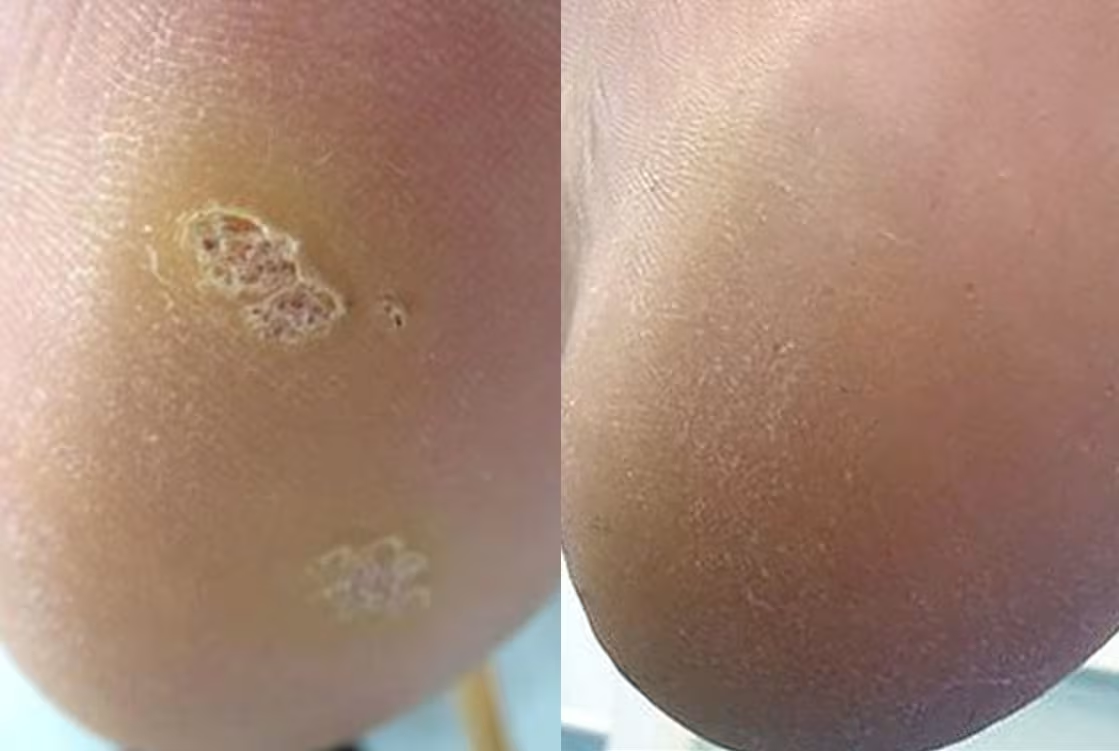
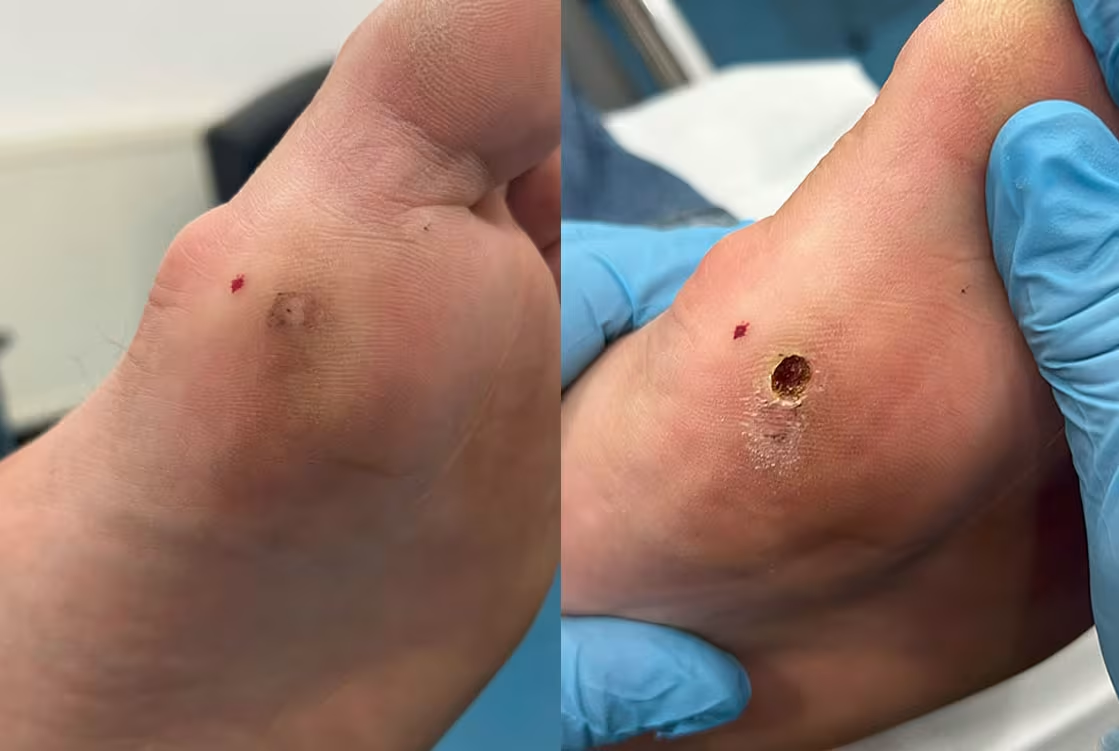
Verruca Treatment at the Foot & Ankle Centre provides fast, effective solutions for stubborn or painful verrucae (plantar warts) that appear on the soles of the feet. Verrucae are caused by the human papillomavirus (HPV) and can persist for months or even years without professional treatment. They often become painful when walking, can spread to other areas, and are notoriously resistant to over-the-counter remedies.
Our clinicians offer a full range of advanced verruca treatments, including cryotherapy (freezing), acid therapy, needling, electrocautery, Swift® microwave therapy, and minor surgical removal for persistent cases. Each treatment plan is tailored to the size, depth, and number of verrucae to ensure the highest chance of successful clearance.
At the Foot & Ankle Centre, you’ll receive expert diagnosis, targeted treatment, and tailored aftercare, helping you confidently eliminate verrucae and return to comfortable, pain-free movement.
FAQs
A verruca is a viral wart found on the sole of the foot. It is caused by the human papillomavirus (HPV) and often appears as a small, rough, raised patch of skin that can become painful when walking.
They spread through direct contact, especially in warm, moist environments such as gyms, swimming pools, and changing rooms. They can also spread from one area of your own foot to another.
If it is painful or affects walking, has persisted for months, has failed over-the-counter treatments, involves multiple or mosaic verrucae, or if you have diabetes or circulation problems.
Cryotherapy (freezing), acid treatments (salicylic or other medical-grade acids), Swift® microwave therapy, needling to stimulate an immune response, electrocautery, and surgical excision for persistent cases. Your clinician will recommend the ideal option.
Some treatments, such as cryotherapy or Swift®, may cause temporary discomfort. All treatments are performed carefully, and pain relief options are available when needed.
It depends on the size, depth, and number of verrucae. Some clear in a single session; others need a short course over several weeks.
Yes. Because they are viral, they can recur if the virus remains active. Advanced treatments like Swift® and needling help stimulate the immune response to reduce recurrence.
Yes. Many treatments are suitable for children; the clinician will tailor the method to age, comfort, and severity.
Over-the-counter options may help mild cases, but persistent or painful verrucae usually need professional treatment for effective clearance.
Book via the Foot & Ankle Centre website, phone, or online enquiry form. We’ll assess your verruca and recommend the best plan.