
Ingrowing Toenails
Gentle, effective care to relieve pain from ingrowing toenails and help prevent recurrence. We offer conservative treatment and clear advice on home care.
- Assessment to identify cause and severity
- Careful nail edge reduction and smoothing
- Advice on footwear, nail cutting and prevention
For recurrent or severe cases, we can discuss minor nail surgery under local anaesthetic. See Ingrowing Toenail Removal for details.
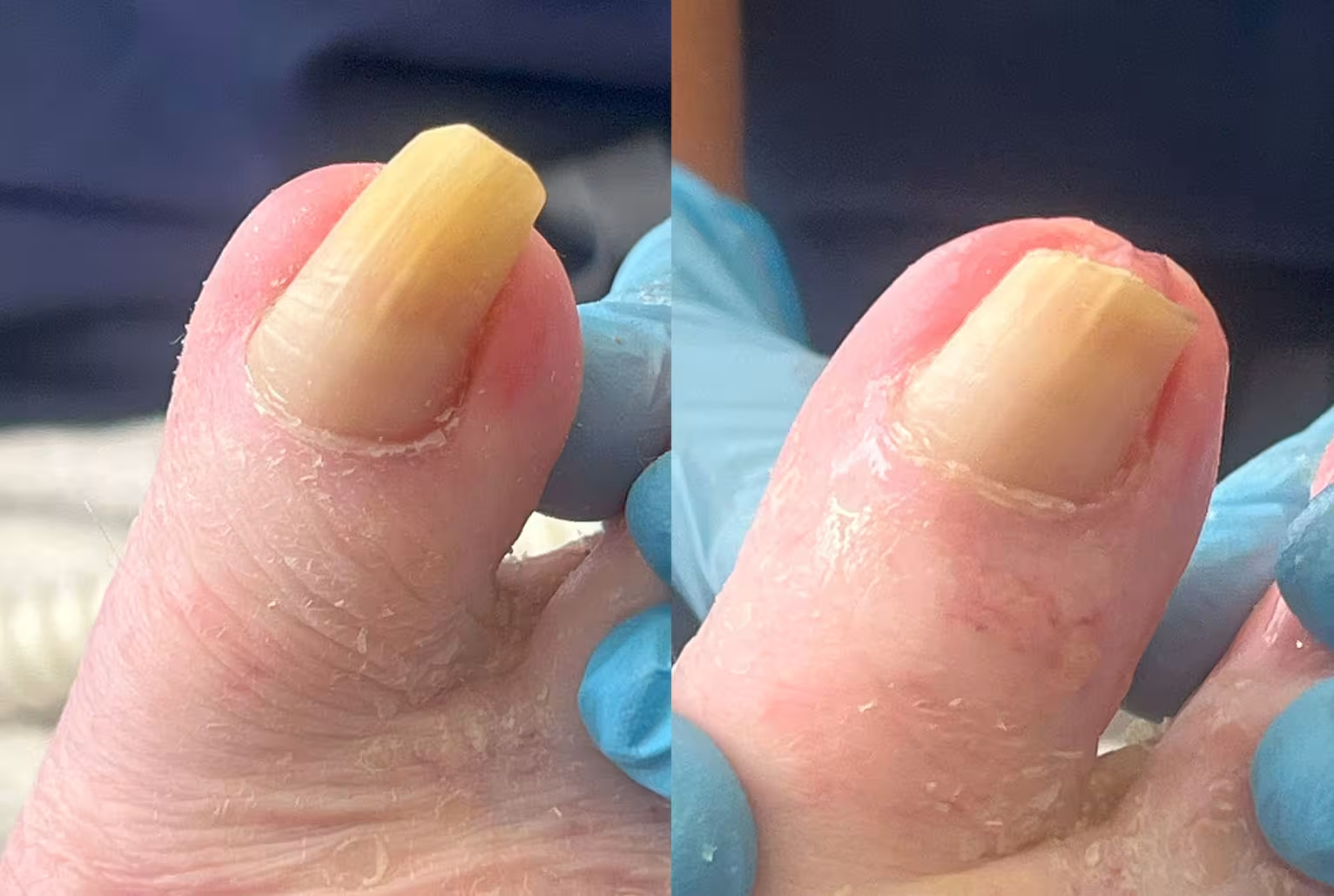
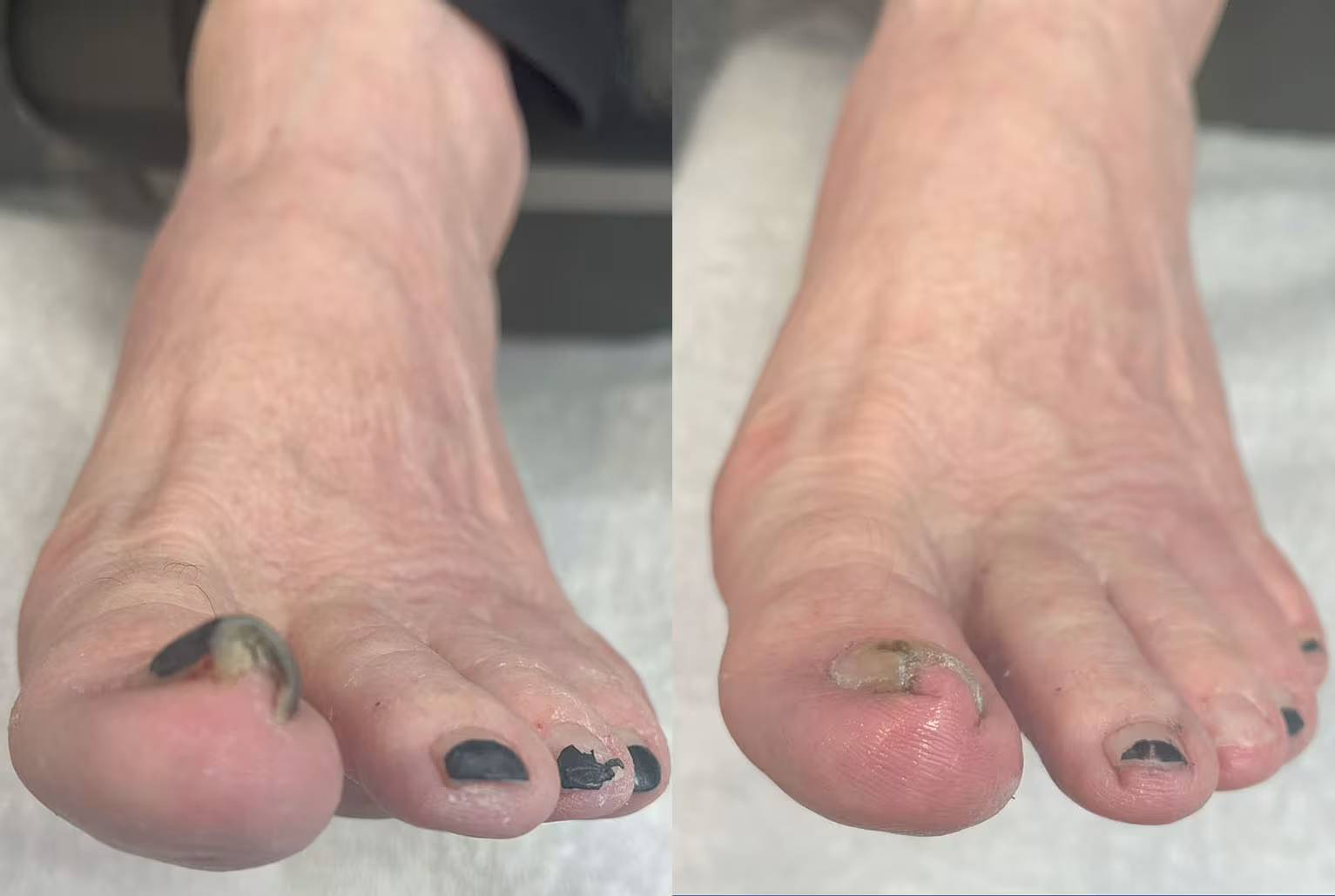
Ingrowing Toenail Treatment at the Foot & Ankle Centre provides fast, effective relief from painful and recurring ingrown toenails. An ingrowing toenail occurs when the nail edge digs into the surrounding skin, causing swelling, redness, and tenderness. Without treatment, it can lead to infection, difficulty walking, and persistent discomfort.
Our specialist clinicians offer a full range of treatments, from gentle conservative care to advanced minor nail surgery for more severe or recurrent cases. Conservative options include careful nail trimming, removing the offending nail edge, dressing the area, and advising on footwear or hygiene. For persistent or advanced ingrown nails, we provide minimally invasive partial nail removal and chemical matrixectomy, which prevents the problematic portion of the nail from growing back.
At the Foot & Ankle Centre, patients receive safe, professional treatment tailored to the severity of their symptoms—helping them return to pain-free walking with confidence.
FAQs
An ingrowing toenail happens when the nail edge grows into the surrounding skin. It commonly causes pain, swelling, redness, and increased sensitivity along the nail border.
Incorrect nail cutting, tight footwear, curved or thickened nails, trauma or injury, fungal infections, and genetic or anatomical nail shape.
Seek professional care if you have persistent pain, signs of infection (redness, pus, swelling), difficulty walking or wearing shoes, recurrent ingrown nails, or if you have diabetes or circulation problems.
Conservative trimming of the nail edge, removal of the ingrown portion, sterile dressings, antibiotics if required, partial nail avulsion (PNA), total nail avulsion (TNA) for severe deformity, and chemical matrixectomy to prevent regrowth of the ingrown section.
Conservative care is typically painless. For surgical procedures, local anaesthetic is used so you won’t feel pain during treatment. Mild soreness afterward is normal and manageable.
Conservative care offers immediate relief. After nail surgery, plan for 24–48 hours of rest, 1–2 weeks for wound healing, and regular dressing changes. Most patients walk immediately after surgery with a protective dressing.
Chemical matrixectomy dramatically reduces recurrence by preventing regrowth of the troublesome nail edge.
Yes—when performed by a qualified clinician. Diabetic patients should avoid self-treatment due to higher risk of infection and poor wound healing.
Yes. If needed, both sides can be treated in the same appointment or procedure.
Book via the Foot & Ankle Centre website, phone, or online enquiry form. Our specialists will assess your nail and provide the most effective treatment plan.