Ingrowing Toenail Removal
Relief from painful ingrowing toenails with partial nail avulsion and targeted aftercare to reduce recurrence.
- Local anaesthetic for comfort
- Clear dressing and aftercare plan
- Guidance to prevent recurrence
Quick procedure with minimal downtime; most patients return to normal activity in days.
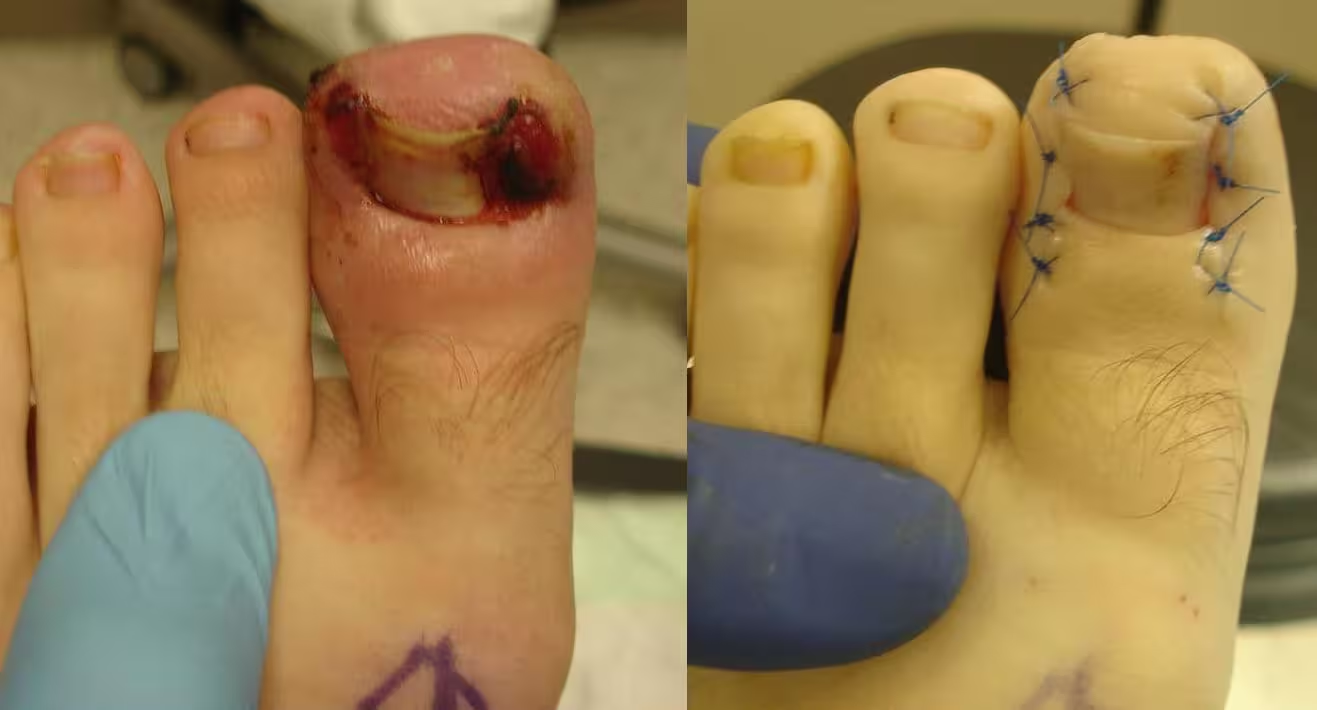
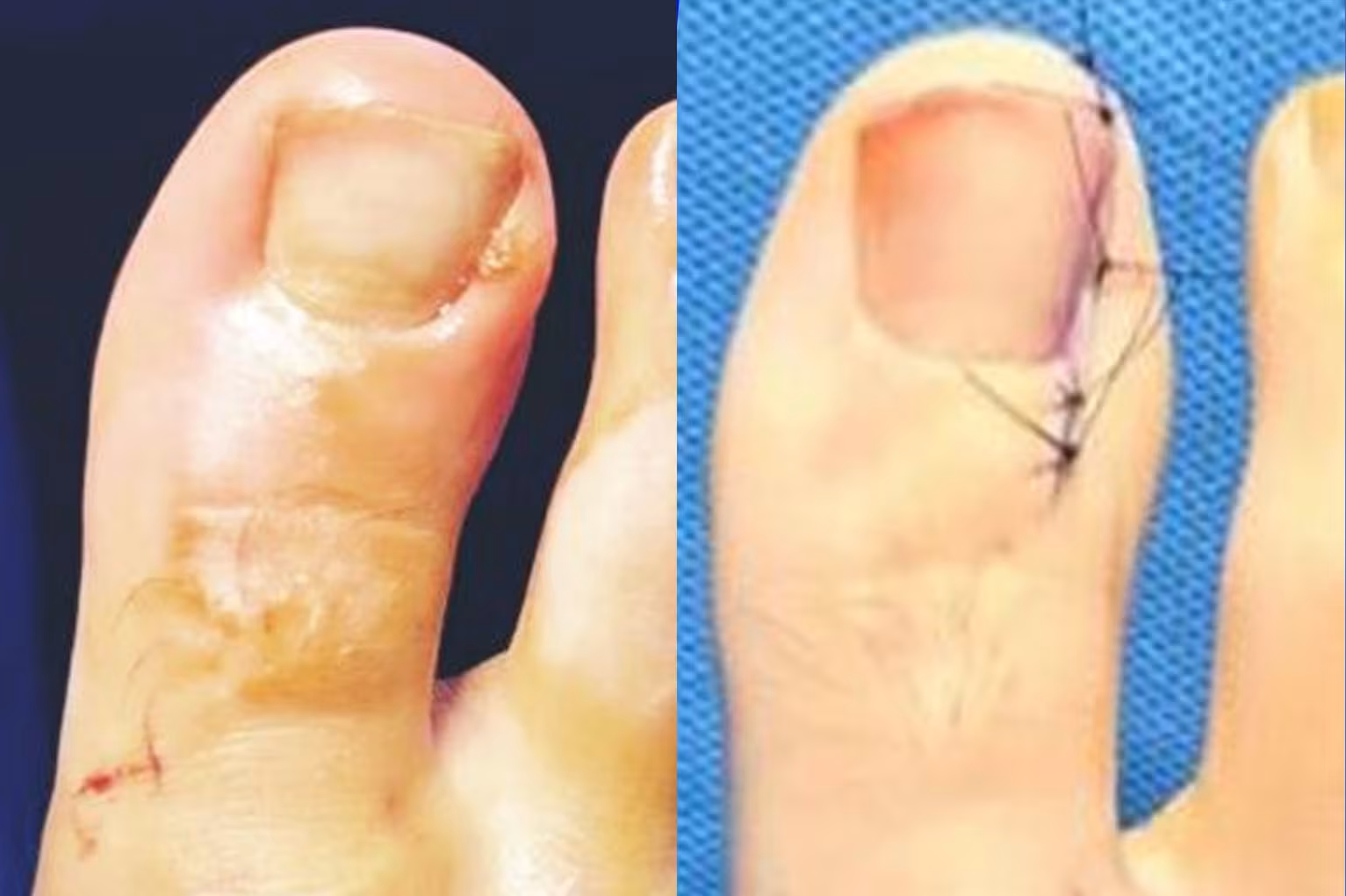
Ingrowing Toenail Removal at the Foot & Ankle Centre provides fast, effective relief for painful, infected, or recurring ingrown toenails. When the edge of the nail grows into the surrounding skin, it can cause inflammation, swelling, severe tenderness, and difficulty wearing shoes. Left untreated, it may lead to recurrent infections or long-term nail deformity.
Our specialist foot surgeons offer a range of minimally invasive procedures, including partial nail removal (PNA), total nail removal (TNA), and chemical matrixectomy to prevent recurrence. These techniques precisely reshape or remove the problematic portion of the nail while protecting healthy tissue and ensuring clean, long-term results.
Whether your ingrown toenail is mild, severe, or repeatedly returning, the Foot & Ankle Centre delivers expert diagnosis, safe treatment options, and tailored aftercare to get you back on your feet quickly, comfortably, and confidently.
FAQs
An ingrowing toenail occurs when the corner or side of the toenail grows into the surrounding skin, causing pain, redness, swelling, or infection. It most commonly affects the big toe.
Common causes include improper nail cutting, tight footwear, trauma to the nail, natural nail shape or genetic factors, and fungal nail infections. Some cases are purely anatomical and require surgical correction.
Surgery may be needed for recurring ingrown nails, persistent pain or swelling, nail infections, difficulty walking or wearing shoes, or when conservative treatments (soaking, antibiotics, packing) fail.
We offer Partial Nail Avulsion (PNA) to remove the problematic side of the nail, Total Nail Avulsion (TNA) for severe cases, and Chemical Matrixectomy to prevent regrowth of the ingrown portion. Your surgeon will recommend the best option.
No. A local anaesthetic numbs the toe during the procedure. Mild soreness afterward is normal and managed with simple pain relief.
Recovery is quick: 24–48 hours of initial tenderness, 1–2 weeks for wound healing, and 4–6 weeks for complete recovery. Most patients walk immediately after treatment and return to daily activities in a few days.
Chemical matrixectomy greatly reduces recurrence. When performed correctly, success rates are very high and the nail retains a natural appearance.
Risks include infection, temporary drainage, minor bleeding, or incomplete nail regrowth if the matrix isn’t fully treated. Complications are rare and will be discussed during consultation.
Yes. If needed, both sides can be corrected in the same procedure to prevent future ingrown nails.
Book via our website, call the clinic, or submit an online enquiry form. Our specialist team will assess your condition and guide you through the best treatment options.