
Hard Skin Removal
Comfort-focused care to safely remove callus and hard skin, improve comfort, and reduce pressure points.
- Full foot assessment
- Advice on footwear and care
- Maintenance plans available
Quick, gentle treatment by a HCPC-registered podiatrist, often with immediate relief.
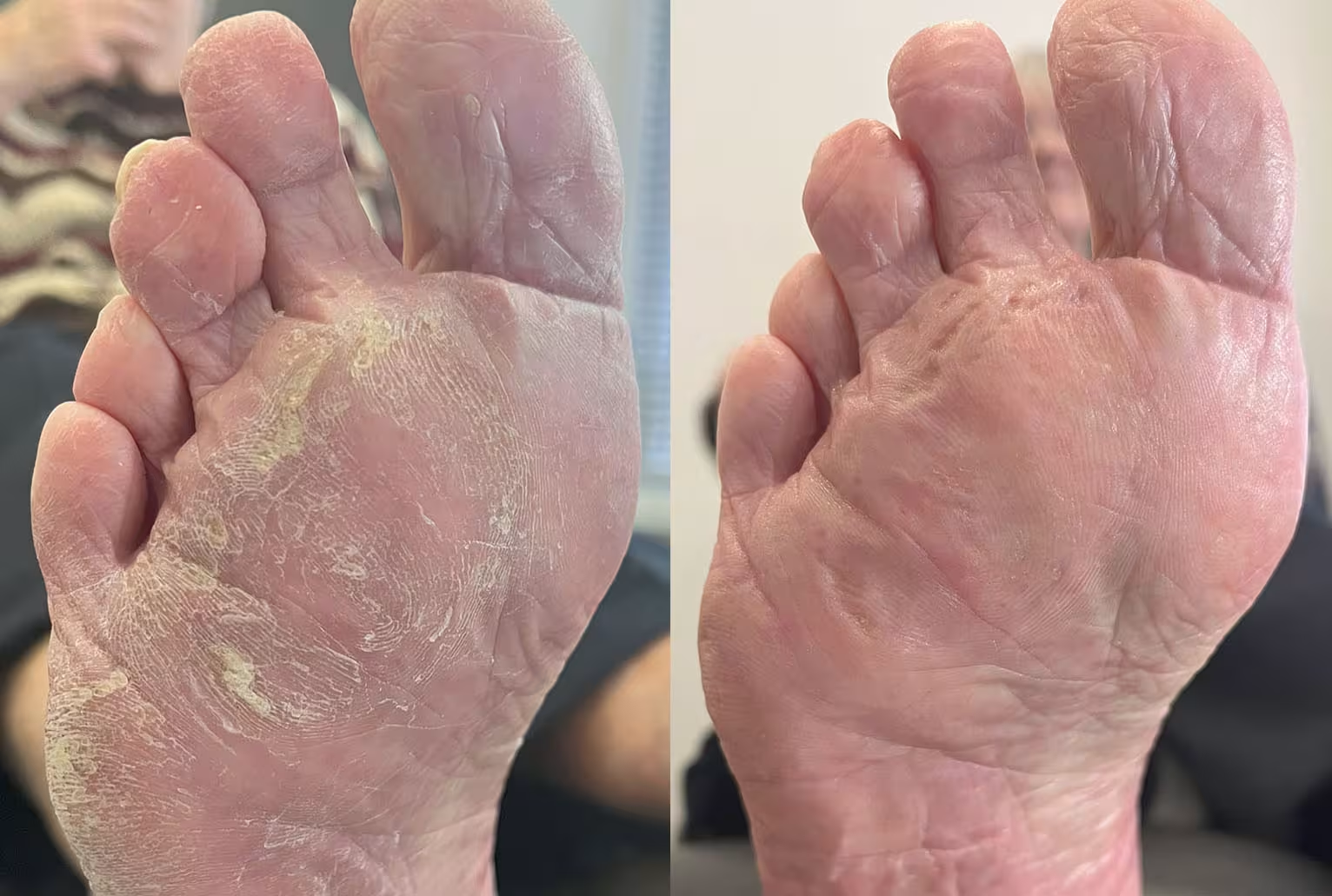
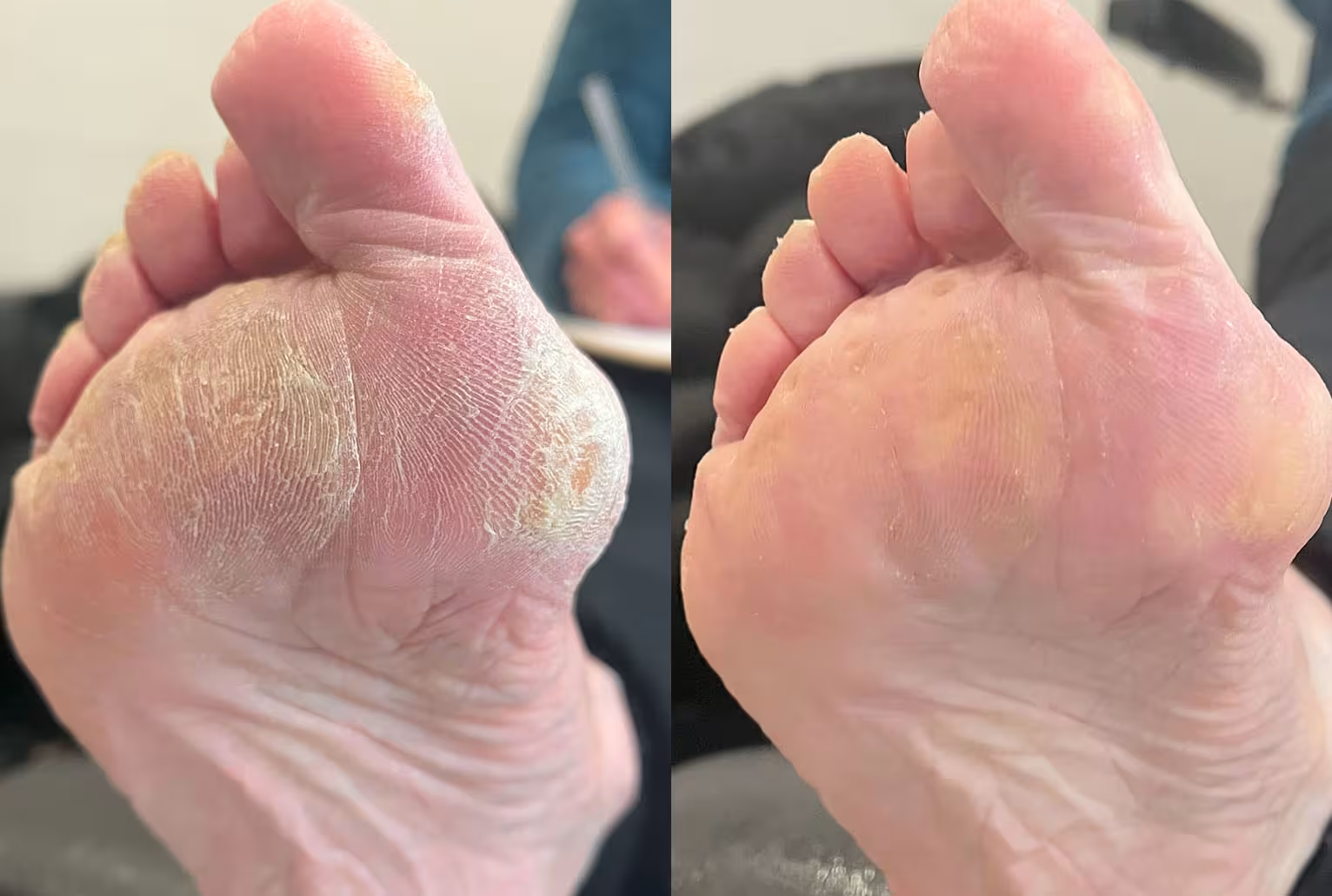
Hard Skin Removal at the Foot & Ankle Centre provides safe, professional treatment for stubborn hard skin, calluses, and cracked heels that cause discomfort, pain, or cosmetic concerns. Hard skin commonly develops due to pressure, friction, footwear, biomechanical issues, or underlying deformities such as bunions, hammertoes, or flat feet.
Our clinicians use precise podiatric techniques to gently remove thickened skin, restore smoothness, and prevent further build-up. Treatment may include mechanical reduction, exfoliation, debridement, moisturising therapies, and advice on footwear and long-term prevention. For patients with recurring hard skin, we also assess underlying causes—such as footwear pressure, abnormal weight distribution, or gait issues—and provide personalised solutions.
At the Foot & Ankle Centre, we prioritise comfort, safety, and long-lasting results. Whether your hard skin is painful, unsightly, or impacting your daily activities, our specialists deliver expert care that restores comfort, confidence, and healthy skin.
FAQs
Hard skin (callus) forms when the skin thickens in response to repeated pressure or friction. Common areas include the heels, balls of the feet, and sides of the toes.
Typical causes include tight or poorly fitting footwear, high levels of walking or standing, foot deformities (bunions, claw toes, flat feet), dry skin, abnormal gait or weight distribution, and sports or occupational strain.
A clinician gently removes the hard skin using sterile instruments, smoothing techniques, and hydrating treatments. This is painless and offers immediate relief.
No. Hard skin removal is comfortable and typically painless. Many patients describe it as relieving and relaxing.
Results can last several weeks to months depending on activity levels and underlying causes. Regular maintenance may be recommended for those prone to build-up.
Yes, especially if pressure or friction continues. We assess the root cause and may recommend insoles or orthotics, footwear changes, cushioning or padding, and hydrating skincare routines.
Yes—but only when performed by a qualified clinician. Diabetic patients have sensitive skin and should not attempt self-removal due to risk of injury or infection.
Absolutely. Cracked heels often accompany hard skin. Treatment smooths the area, removes dry skin, and may include moisturising therapy to promote healing.
This varies by person. Many benefit from treatment every 6–12 weeks depending on foot structure, footwear, and activity.
Contact the Foot & Ankle Centre via our website, phone, or online enquiry form. Our team will arrange your appointment and provide personalised advice.