Hammertoe Correction
Straightening and stabilisation of hammertoes to relieve pain and improve function, with a focus on safe recovery.
- Assessment and imaging where appropriate
- Tailored surgical plan
- Clear aftercare advice
Local anaesthetic day-case with gradual return to normal footwear as healing progresses.
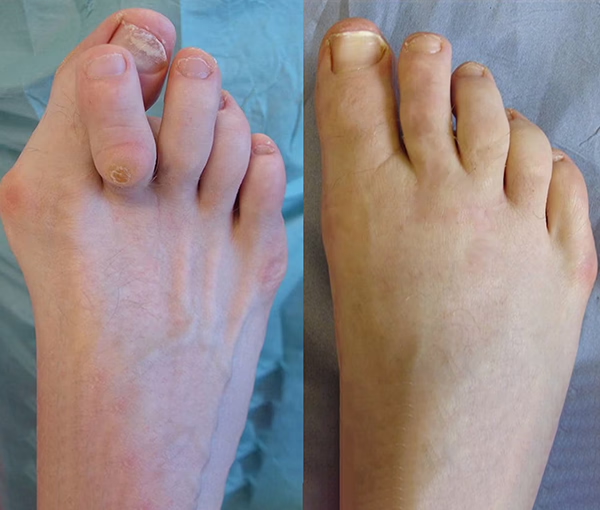
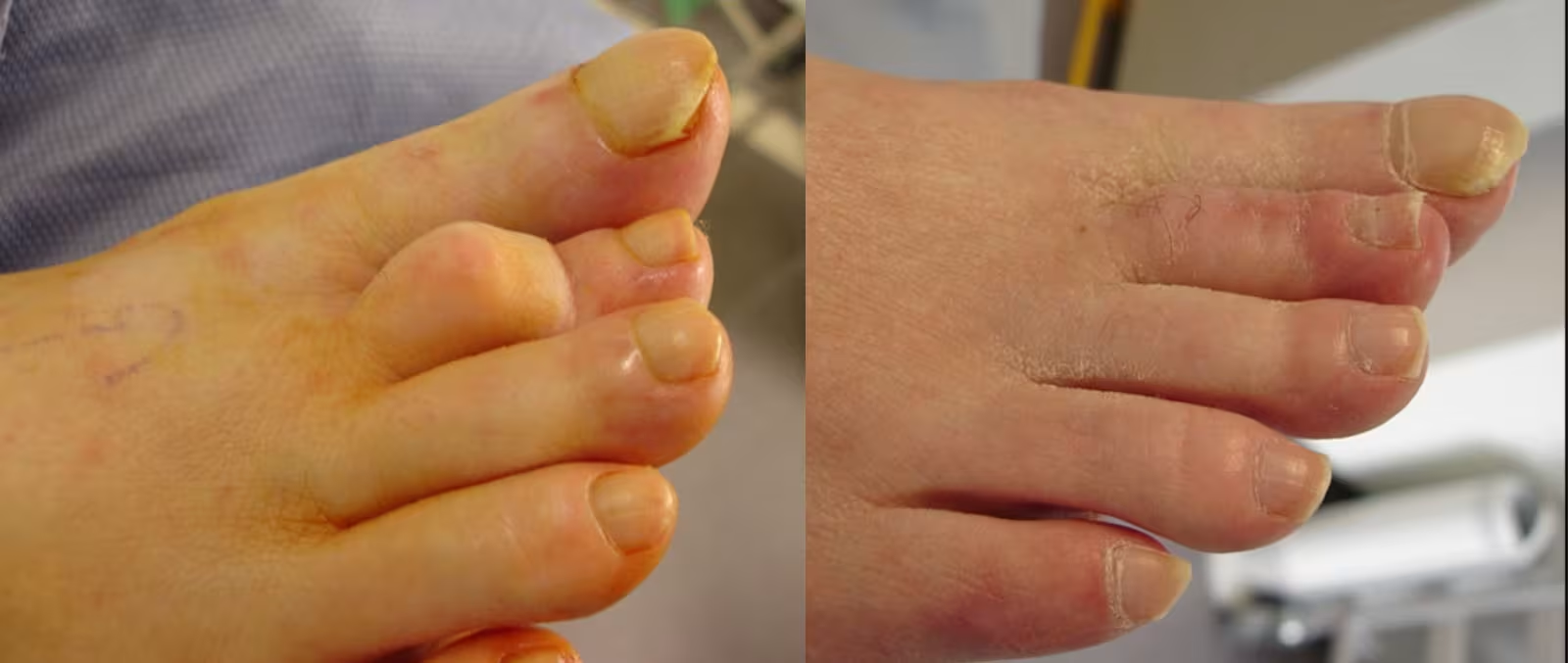
Hammertoe Correction at the Foot & Ankle Centre provides effective, lasting solutions for toes that have become bent, curled, or rigid due to muscular imbalance, arthritis, genetics, or prolonged pressure from footwear. Hammertoes can cause painful corns, difficulty walking, irritation in shoes, and progressive deformity—making timely treatment essential for long-term comfort.
Our expert foot and ankle surgeons offer a full range of minimally invasive and traditional corrective techniques, including tendon releases, joint realignment, bone reshaping, and small internal implants that stabilise the toe in a natural, straight position. Each correction is tailored to the severity of the deformity—whether flexible, semi-rigid, or rigid—to restore normal alignment and prevent recurrence.
With modern surgical planning, advanced fixation options, and personalised aftercare, the Foot & Ankle Centre ensures fast recovery, excellent cosmetic outcomes, and long-lasting relief from pain and pressure caused by hammertoes.
FAQs
Hammertoe correction is a surgical procedure that straightens toes that have become bent or curled. This may involve releasing tight tendons, removing a small piece of bone, or using implants to maintain proper alignment.
Common causes include footwear that compresses the toes, genetic foot structure, muscle or tendon imbalance, arthritis, or past injuries. Hammertoes often worsen over time if not treated.
Surgery may be recommended if you have persistent toe pain, difficulty wearing shoes, painful corns or calluses, a toe that has become rigid or fixed, or reduced mobility and worsening deformity. A consultation will confirm the best approach.
Depending on severity: tendon release or transfer for flexible hammertoes; PIP joint fusion to straighten a rigid toe; bone reshaping or removal; and implant fixation using modern, low-profile devices. Your surgeon will advise the best option.
Local or general anaesthetic is used, so you won’t feel pain during surgery. Mild discomfort afterward is normal but usually improves quickly with simple pain relief.
Recovery depends on the procedure but typically includes immediate walking in a post-operative shoe, 2–6 weeks for swelling to reduce, 6–10 weeks for bone healing, and around 3 months for full activity. Your surgeon will tailor the plan.
Recurrence is uncommon when the underlying structural cause is corrected. Modern implants and precise realignment techniques help ensure stable, long-lasting results.
As with any surgery, risks can include infection, swelling, stiffness, nerve irritation, or recurrence. These risks are low and will be discussed during your consultation.
Yes. Many patients have more than one affected toe, and these can often be corrected during a single procedure.
You can book easily by contacting the Foot & Ankle Centre through our website, calling the clinic, or submitting an online enquiry. Our specialist team will guide you through assessment and treatment options.