
Fungal Nails
Assessment and treatment options for fungal toenails, with practical guidance to improve appearance and prevent spread.
- Nail care and debridement
- Topical/oral options explained
- Home hygiene advice
Step-by-step plan with realistic expectations and regular reviews where helpful.
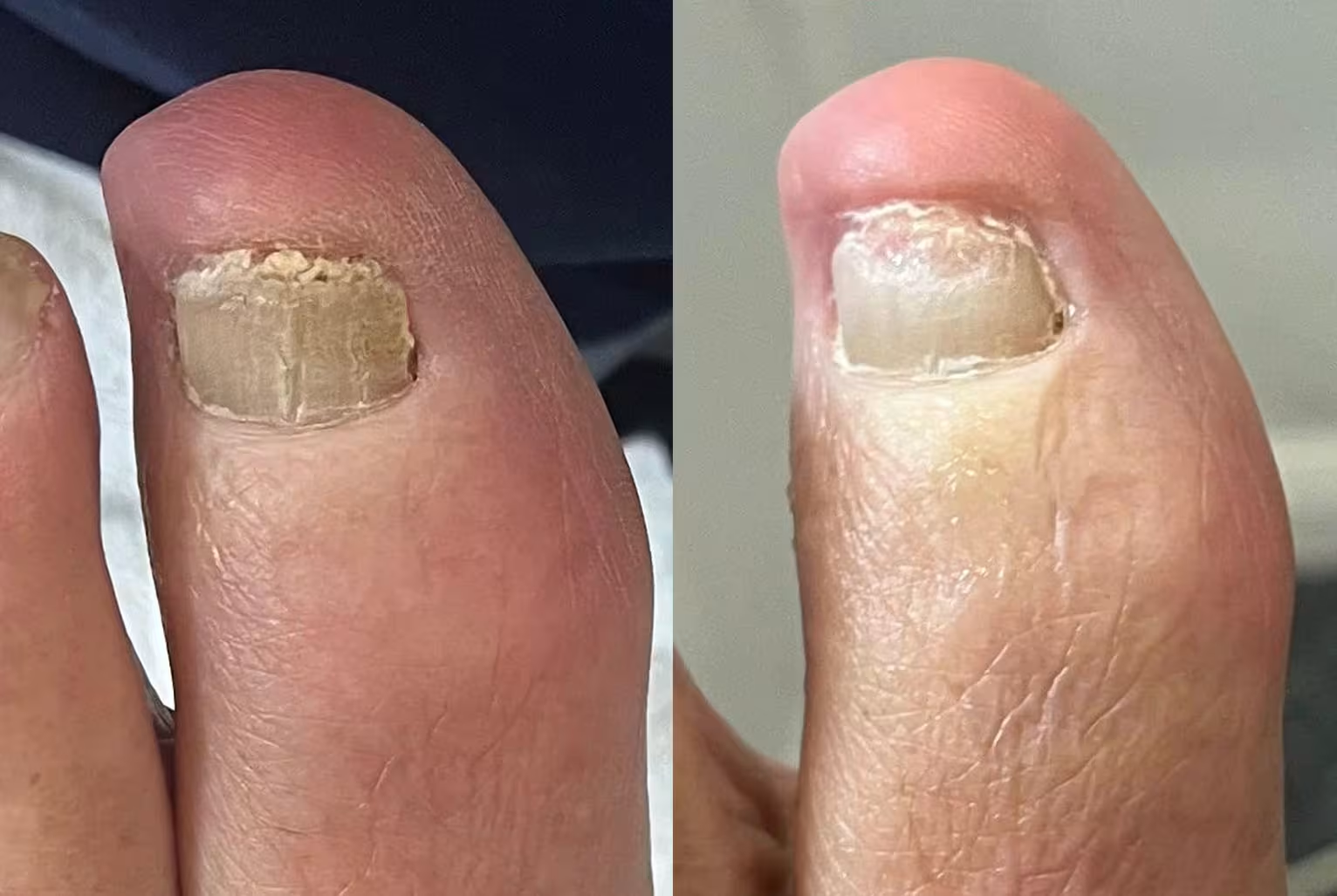
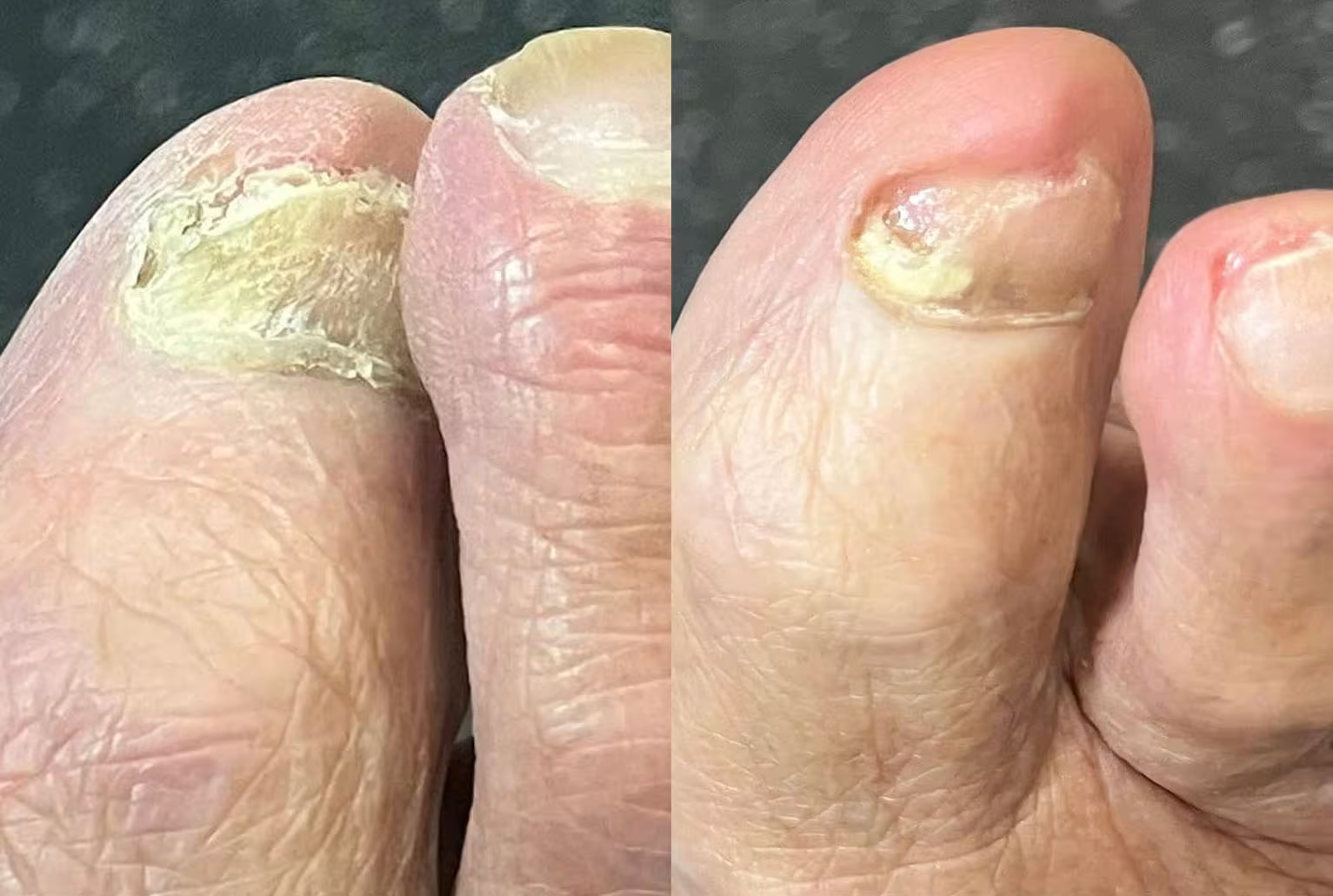
Fungal Nail Treatment at the Foot & Ankle Centre offers effective, clinically proven solutions for discoloured, thickened, brittle, or crumbling toenails caused by fungal infection (onychomycosis). Fungal nails are common and can be difficult to treat without professional help, often spreading to other nails or causing discomfort and embarrassment.
FAQs
Fungal nails (onychomycosis) occur when fungi infect the nail bed, causing the nail to become thickened, discoloured, flaky, or brittle. The infection may affect one or several toenails.
Exposure to fungal environments (gyms, pools, communal showers), nail trauma, excess sweating, tight or non-breathable footwear, reduced immunity, and athlete’s foot spreading to the toenails.
A clinician examines the nails and may take a small sample for laboratory testing to confirm the presence and type of fungus. Accurate diagnosis ensures the best treatment outcome.
Medical debridement to reduce thickened nails, topical antifungal medications, oral antifungal treatments (prescription only), Lacuna method to enhance topical penetration, and laser fungal nail therapy. Your clinician will recommend the best course based on your nail condition and medical history.
Most treatments are painless. Medical debridement involves gentle reduction of thick nails to relieve pressure. Laser treatment causes a warm sensation but is generally well tolerated.
Because toenails grow slowly, full clearance can take several months. Expect 3–6 months for visible improvement and 9–12 months for complete regrowth. Consistency and proper aftercare are essential.
Yes. Reinfection is possible if the underlying cause—such as sweaty feet, footwear issues, or untreated athlete’s foot—persists. We provide prevention advice and follow-up care to reduce recurrence.
Topical treatments are safe for most people. Oral medications may not suit those with certain liver conditions or medical histories. Your clinician will evaluate suitability during consultation.
Laser therapy is a non-invasive option that targets fungal organisms with heat while leaving surrounding tissue unharmed—useful for patients who cannot take oral medication.
Book via the Foot & Ankle Centre website, phone, or online enquiry form. Our clinicians will assess your symptoms and recommend the most effective treatment plan.