Electrotherapy
Therapeutic electrical modalities to relieve pain and support tissue repair, used as part of a wider rehab plan.
- Tailored to condition
- Comfort-focused application
- Integrated with exercises
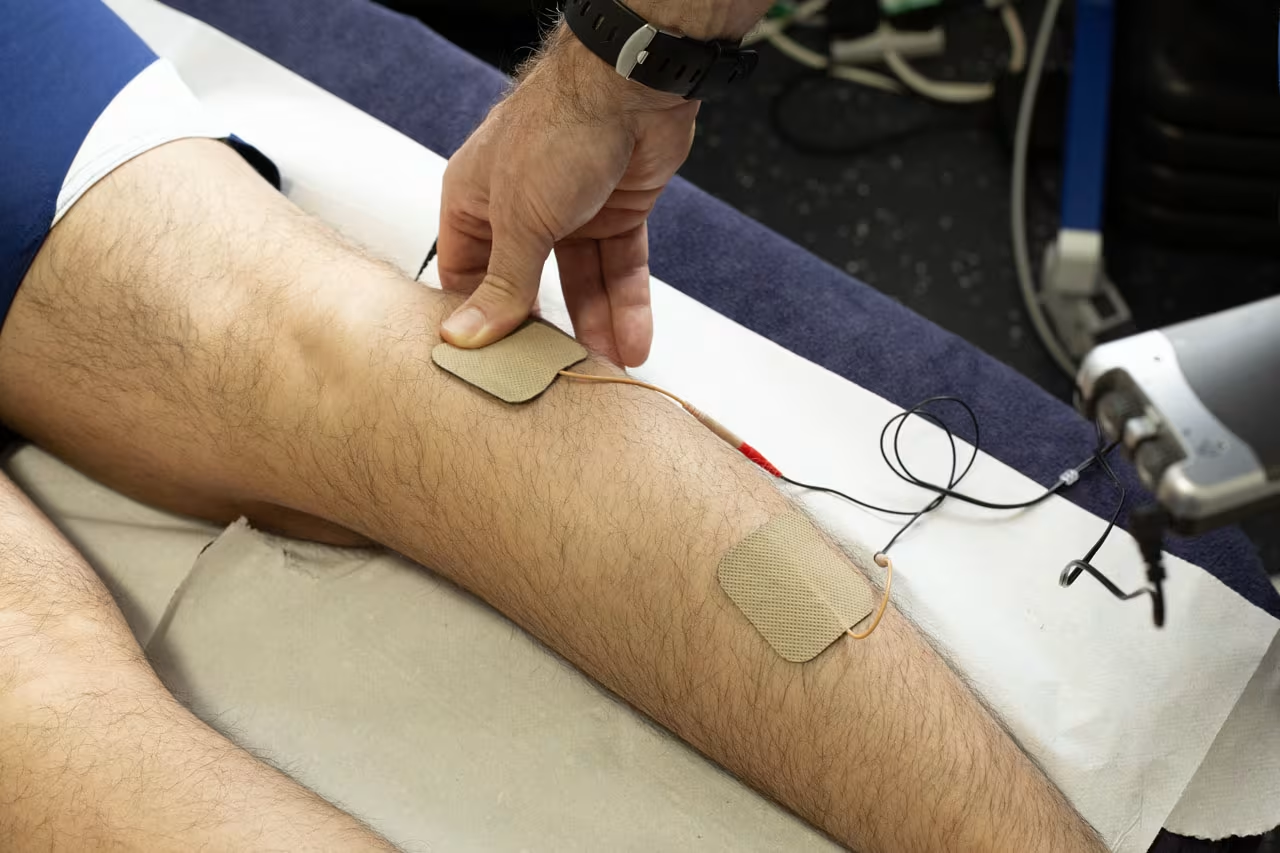
Electrotherapy at the Foot & Ankle Centre is a safe, non-invasive treatment used to reduce pain, promote healing, and improve muscle function in a wide range of foot and ankle conditions. By delivering controlled electrical stimulation to targeted tissues, electrotherapy helps relieve discomfort, improve circulation, reduce inflammation, and support recovery after injury or surgery.
Our clinicians use modern electrotherapy modalities such as TENS (Transcutaneous Electrical Nerve Stimulation), NMES (Neuromuscular Electrical Stimulation), and IFC (Interferential Therapy) as part of a tailored rehabilitation programme. Electrotherapy is commonly used to manage chronic foot pain, tendon and ligament injuries, muscle weakness, nerve-related pain, and post-operative rehabilitation.
At the Foot & Ankle Centre, electrotherapy is often combined with exercise rehabilitation, manual therapy, orthotics, and gait correction to maximise results. Our goal is to accelerate healing, restore function, and help patients return to comfortable, confident movement.
Short sessions, often combined with manual therapy or exercise in the same visit.
FAQs
Electrotherapy uses controlled electrical currents applied to the body to reduce pain, stimulate muscles, improve circulation, and support tissue healing.
Chronic foot or ankle pain, tendon and ligament injuries, plantar fasciitis, Achilles tendon problems, muscle weakness or imbalance, nerve-related pain, post-surgical rehabilitation, and swelling or inflammation.
Depending on the type, it can block pain signals to the brain, stimulate muscle contraction, increase blood flow, reduce inflammation, and support nerve and tissue recovery.
No. Most patients feel a mild tingling or pulsing sensation, and intensity is adjusted for comfort.
TENS for pain relief, NMES to stimulate and strengthen muscles, and interferential therapy (IFC) for deeper pain relief and swelling reduction. Your clinician selects the best option.
Typically 15–30 minutes depending on the area and modality.
It varies. Some notice improvement after a few sessions; others benefit from a short course over several weeks.
Yes—widely used and very safe when delivered by trained clinicians. It may not suit people with pacemakers or certain conditions; suitability is assessed beforehand.
Yes. It often complements exercise rehabilitation, manual therapy, shockwave therapy, orthotics, and stretching/strengthening programmes.
Book via the Foot & Ankle Centre website, phone, or online enquiry form. We’ll assess your condition and confirm if electrotherapy is suitable.