Biomechanics
In-depth biomechanical assessment to understand how your feet and lower limbs move during walking and activity. Helps diagnose causes of pain and informs tailored treatment plans.
- Comprehensive movement analysis
- Footwear and activity advice
- Personalised treatment recommendations
Biomechanics at the Foot & Ankle Centre focuses on understanding how your feet, ankles, and lower limbs move and function during everyday activities. A biomechanical assessment identifies abnormal movement patterns, alignment issues, muscle imbalances, and gait abnormalities that may contribute to pain or injury.
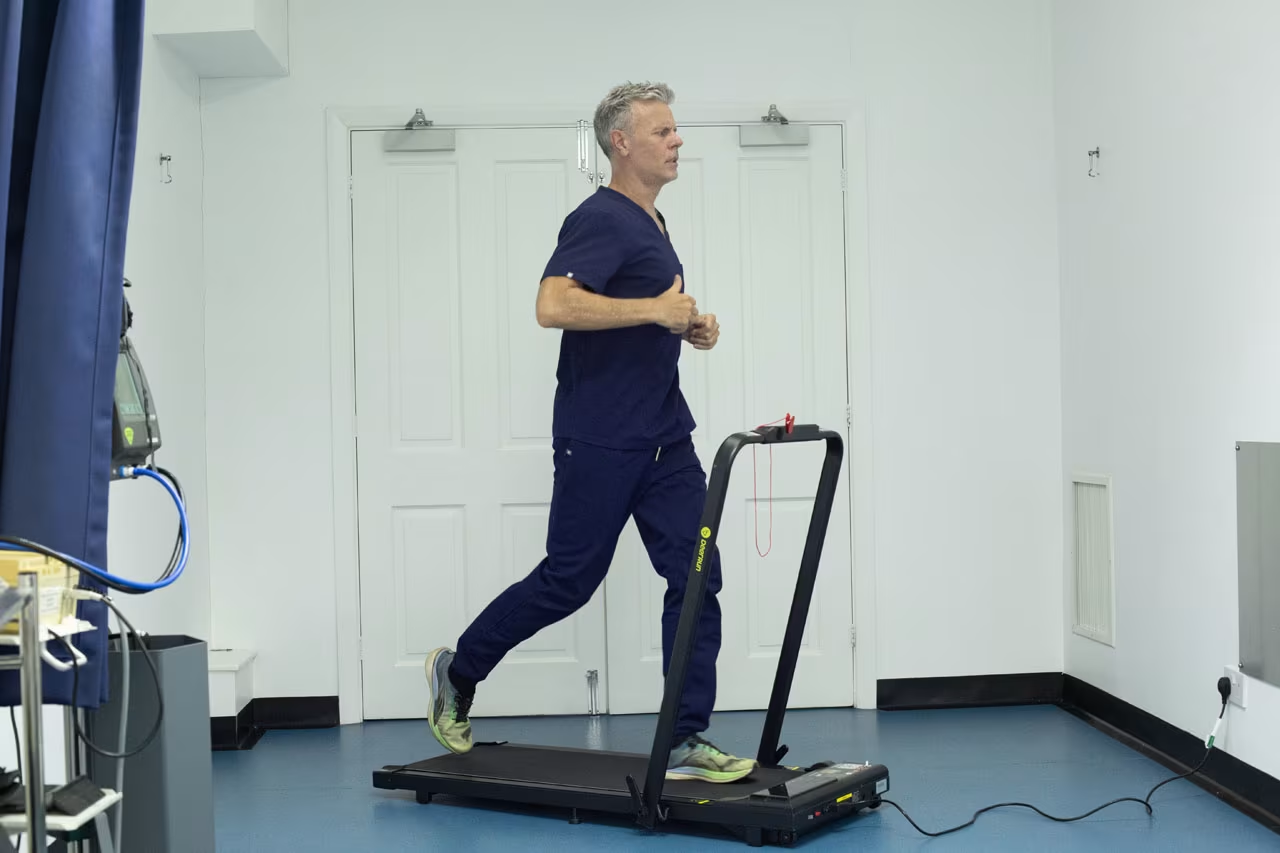
Using advanced gait analysis technology, pressure-mapping systems, and expert clinical examination, our specialists evaluate how your body bears weight, distributes pressure, and adapts while standing, walking, and running. This allows us to diagnose conditions such as overpronation, flat feet, high arches, tendon dysfunction, plantar fasciitis, knee pain, and recurrent sports injuries.
Following a detailed assessment, we create a tailored treatment plan which may include custom orthotics, footwear recommendations, strengthening programmes, physiotherapy, or referral for further imaging. At the Foot & Ankle Centre, our goal is to correct faulty biomechanics, reduce pain, improve function, and help you move with greater comfort and confidence.
A gentle assessment with clear guidance and practical steps to improve comfort and performance.
FAQs
A biomechanical assessment is a detailed evaluation of how your feet and lower limbs function. It examines posture, alignment, joint mobility, muscle strength, and gait patterns to identify the root cause of pain or dysfunction.
You may benefit if you have foot, arch, or heel pain; knee, hip, or lower back discomfort; recurrent sports injuries; flat feet or high arches; overpronation or supination; uneven shoe wear; or pain when walking/standing for long periods. Athletes and active individuals benefit greatly from optimisation.
Your clinician reviews your history, checks joint mobility and muscle strength, analyses posture and alignment, performs gait analysis using video or pressure-plate systems, and evaluates footwear to pinpoint causes of symptoms.
It can identify plantar fasciitis, Achilles tendon issues, flat feet/high arches, overpronation, bunions and toe deformities, knee/hip/lower-back pain linked to poor foot mechanics, and sports-related overuse injuries.
Depending on findings: custom orthotics or insoles, strengthening and stretching programmes, footwear modification, physiotherapy, activity adjustments, and referral for imaging or specialist care if needed.
Not always. Imaging is only recommended if structural deformities, arthritis, or tendon injuries are suspected.
If abnormal mechanics are detected, custom-made orthotics are often advised to support alignment, reduce strain, and improve function.
No. It is non-invasive and pain-free, involving observation, gentle movement testing, and gait analysis.
Typically 30–45 minutes, covering examination, gait analysis, and discussion of recommended options.
Contact the Foot & Ankle Centre via our website, phone, or online enquiry form. Our team will guide you through the next steps.